The Uber Phenomenon 2026: How a tech giant reshaped the rules of global logistics
BLOG
ILLIA BYCHENKO
4/23/2026

The Uber Phenomenon 2026: How a tech giant reshaped the rules of global logistics
Ten years ago, Uber was seen as a bold startup challenging traditional taxi services. By 2026, however, the company has transformed into a global ecosystem that sets the rules in mobility, delivery, and autonomous technology sectors.
From personal transport to global logistics
Today’s Uber is far more than just a ride-hailing app. The company’s business model is built on three strong pillars:
Mobility: Facilitating more than 40 million rides daily worldwide.
Delivery: Uber Eats has become a key player not only in restaurant delivery but also in groceries and pharmaceuticals.
Freight: Uber Freight automates supply chains by directly connecting shippers with carriers.
The era of autonomous future
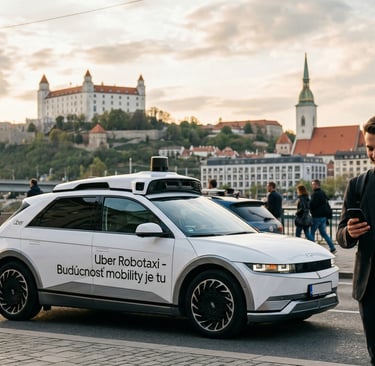
Uber’s biggest ambition in 2026 is the rollout of robotaxis. Through strategic partnerships with leaders in artificial intelligence and autonomous driving technology, the company is actively replacing traditional fleets with self-driving vehicles in major global cities. This not only reduces service costs but also minimizes the impact of human factors.
Financial maturity and stability
After years of heavy investment and losses, Uber has demonstrated impressive financial discipline. Between 2025 and 2026, the company achieved record profitability, strengthening investor confidence in the stock market. Under the leadership of Dara Khosrowshahi, the corporate culture has shifted toward sustainable growth and social responsibility.
Today, Uber stands as a prime example of how a digital platform can become an integral part of urban infrastructure—reshaping how we move, consume, and work.
ILLIA BYCHENKO
IČO: 57 569 924
© 2026 ILLIA BYCHENKO | All rights reserved